Introduction
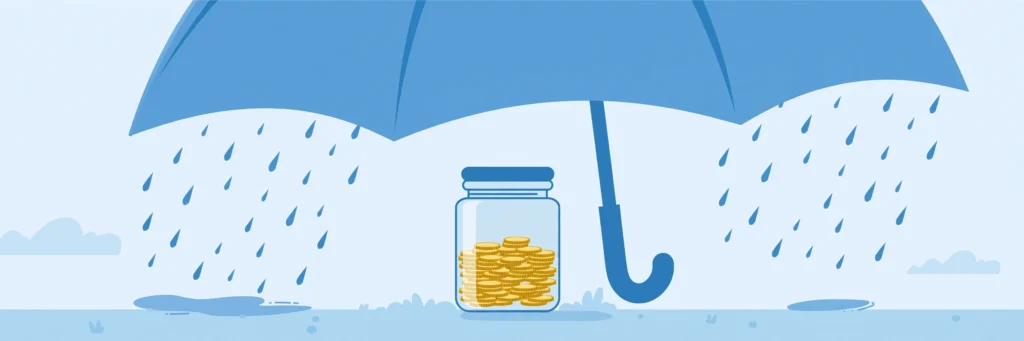
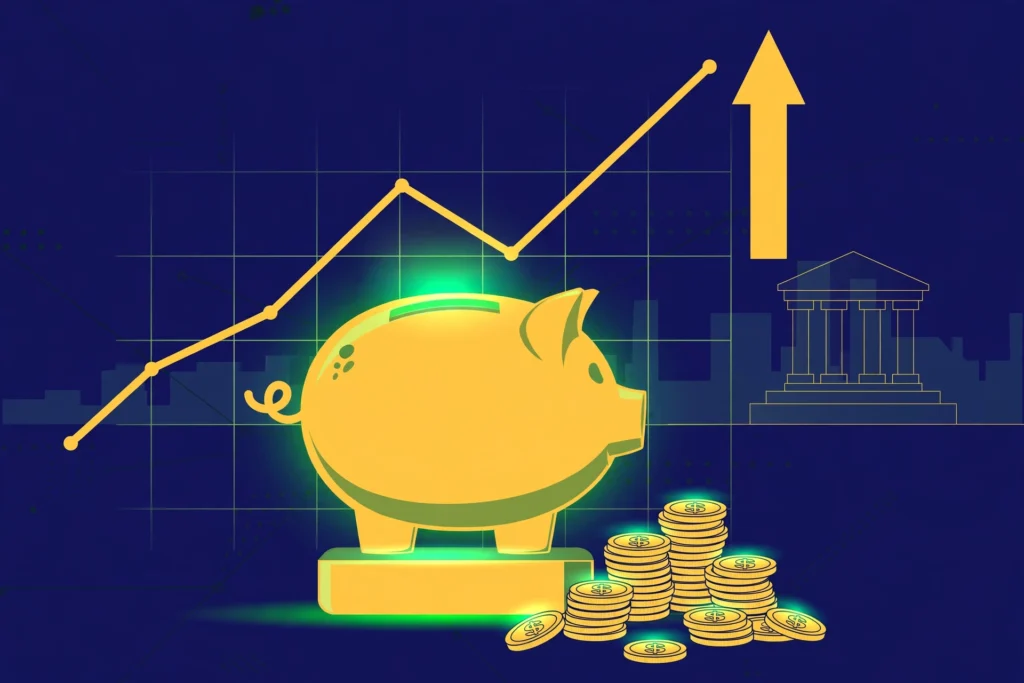
So what does the Fed rate hike mean for your savings account? In September, the Federal Reserve raised its benchmark rate to a range of 3.75% to 4.00% — the first hike since 2023 — and officials signaled one more quarter-point increase is likely before the end of the year. If you have money sitting in a regular savings account, this is one of the rare moments when the news actually works in your favor — but only if you move it to the right place. Here is exactly what changed, what it means for your cash, and the five moves to make before the Fed meets again in December.
Table of Contents
- – What the September Hike Actually Changed
- – What Does the Fed Rate Hike Mean for Your Savings Account?
- – 5 Money Moves to Make Before the December Fed Meeting
- – The One Mistake to Avoid Right Now
What the September Hike Actually Changed
The September meeting was a turning point. The federal funds rate now sits at 3.75% to 4.00%, and the median Fed official projection calls for one more quarter-point hike before year-end. Right now, markets expect the Fed to hold steady at its October meeting — but December is a different story, with the odds favoring another increase.
The bond market has already reacted. The 10-year Treasury yield touched 5.11% on September 23, its highest in 19 years, and the 30-year Treasury has hovered around 5.6%, unseen since 2002. Mortgage rates followed: Freddie Mac reported the average 30-year fixed mortgage at 7.03% on September 24, the first time it topped 7% since January 2025. The minutes from that September meeting drop this Wednesday, October 7, and every word will be dissected for clues about December.
For borrowers, this is bad news. For savers, it is a real opportunity — if you act.
What Does the Fed Rate Hike Mean for Your Savings Account?
When the Fed raises rates, banks can earn more on the money they hold — and the competitive ones pass some of that along to savers. That is why high-yield savings account rates tend to climb after a Fed hike, while the big brick-and-mortar banks keep paying next to nothing.
Here is the part most people miss: the average traditional savings account in the US still pays under 0.5%, while top high-yield accounts pay many times that. The gap between a lazy savings account and a good one is now hundreds of dollars a year on a $10,000 balance. If you have been meaning to switch, rising rates make the math even more embarrassing to ignore.
Do not expect your current bank to do you any favors, though. Big banks raise their loan rates overnight and “forget” to raise savings rates for months. You have to move the money yourself.
5 Money Moves to Make Before the December Fed Meeting
- 1. Move idle cash into a high-yield savings account this week. Open one at a reputable online bank, link your checking account, and transfer your emergency fund and short-term savings. This is the single highest-return ten minutes of your month. If you want the full breakdown of how these accounts work, read our guide to high-yield accounts that pay far more than your current bank.
- 2. Lock in a CD ladder before rates peak. Certificates of deposit let you lock today’s rates for 6, 12, or 18 months. Split your cash across a few terms so money frees up regularly — if rates keep climbing after December, you can reinvest at the higher rate. Wondering where your cash belongs right now? Compare your options in our guide to parking cash in 2026.
- 3. Attack variable-rate debt now. Credit card APRs and HELOCs move with the prime rate, which follows the Fed. Every quarter-point hike makes your existing balances more expensive. If you carry a balance, a 0% balance-transfer card or an aggressive payoff plan before December saves real money.
- 4. Pause the big refinance-or-buy decision until after the minutes. If you are house hunting or thinking about refinancing, wait for Wednesday’s minutes release and the market reaction before locking anything. Rate volatility is high right now, and a single headline can move mortgage pricing for days.
- 5. Automate the extra interest. Whatever bump your savings rate gives you, set up an automatic transfer of that “raise” into your emergency fund or Roth IRA. Invisible money gets saved; visible money gets spent.
The One Mistake to Avoid Right Now
Do not chase yield into things you do not understand. When rates rise, sketchy “high return” offers multiply — uninsured crypto lending schemes, unregulated notes, anything promising 10%+ with “no risk.” Your emergency fund belongs in FDIC-insured accounts only, period. A few extra tenths of a percent is never worth risking money you cannot afford to lose.
Conclusion
The Fed’s September hike — and the likely December follow-up — is a split-screen moment: borrowing gets pricier while saving gets more rewarding. The winners will be the people who move their cash into accounts that actually pay, lock in today’s rates, and hit variable-rate debt before it gets more expensive. Wednesday’s minutes will set the tone for the rest of the year, so make these moves now instead of reading about them later.
Take Control of Your Money
Reading is step one — doing is step two. The Budget Planner 2026 is a 21-page printable workbook with monthly budget sheets, a debt payoff planner, savings trackers, and more. $12, instant download.