
Introduction
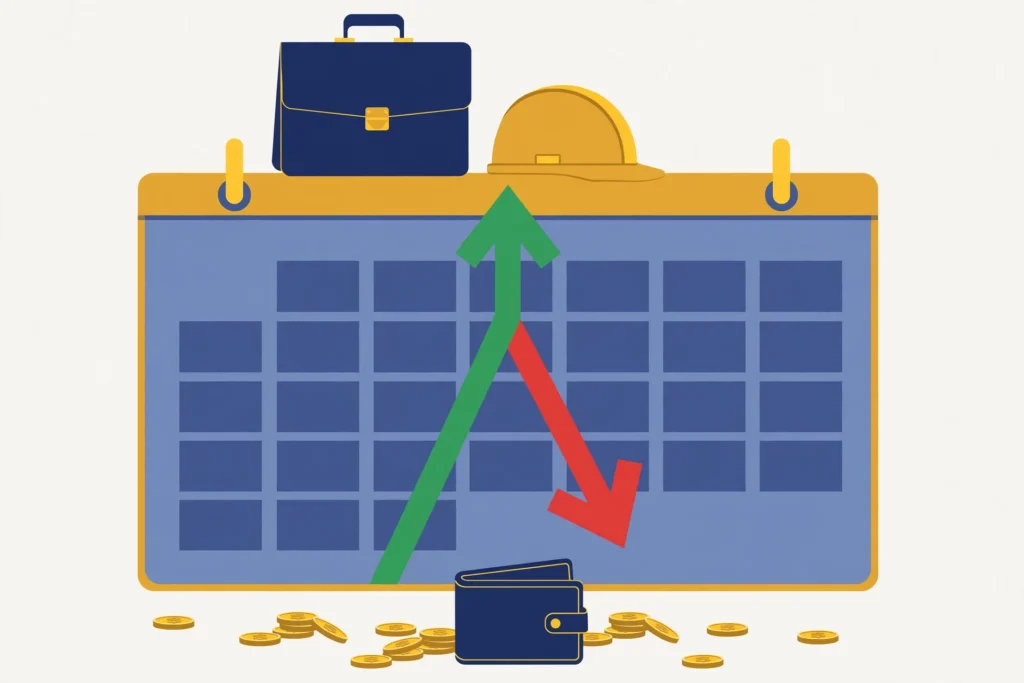
One number drops this morning — the U.S. September jobs report — and it could decide whether borrowing gets more expensive, whether your savings rate holds, and whether markets calm down or freak out. Economists expect the economy added about 84,000 jobs last month, with unemployment holding steady at 4.1%. But the real story isn’t the forecast. It’s what happens when reality misses it — in either direction. Here’s what to watch, and what each outcome means for your wallet.
Table of Contents
- – Why One Report Moves Everything
- – Scenario 1: Jobs Come in Hot (the Bad-for-Borrowers Case)
- – Scenario 2: Jobs Come in Cold (the Bad-for-Everyone Case)
- – Scenario 3: The Goldilocks Number (What Everyone’s Hoping For)
- – What You Should Do Before and After the Numbers
Why One Report Moves Everything
The Federal Reserve lives and dies by the jobs report. Its two mandates are stable prices and maximum employment, and the jobs numbers tell it how much room it has to move interest rates. Strong job growth means the economy can handle higher rates — or needs them, to keep inflation in check. Weak job growth means the economy is cracking and rates may need to fall.
This week’s market mood shows exactly how much is riding on it. Futures rose Friday morning ahead of the release as a global relief rally eased this week’s bond-market volatility — but all three major U.S. indexes are still on pace for weekly losses after a brutal bond selloff pushed the 10-year Treasury yield past 5.2%. The jobs report lands right into a market that’s already on edge. A surprise in either direction could decide whether yields keep climbing — and borrowing keeps getting pricier.
Investors are explicitly treating today’s data as a signal for the Fed’s next policy move. For regular people, that translates directly into mortgage rates, credit card rates, auto loan costs, and savings yields.
Scenario 1: Jobs Come in Hot (the Bad-for-Borrowers Case)
If job growth lands well above 84,000 — say 150,000 or more — expect markets to read it as “the economy is too strong for rate cuts.” Bond yields, already at multi-decade highs, could climb further, and with them mortgage rates, HELOC rates, and credit card APRs. Your variable-rate debt gets more expensive. Your savings account, though, might finally pay a little more — banks follow yields upward, with a lag.
For your money: don’t rush to lock in long-term loans right before the report if you can wait a day. And if you’ve been sitting on cash, hot numbers often push savings rates up — a good moment to check whether your bank is passing yields along or pocketing the difference.
Scenario 2: Jobs Come in Cold (the Bad-for-Everyone Case)
If job growth comes in far below expectations — under 50,000, or unemployment ticks up from 4.1% — the market will start pricing in a weaker economy. Yields would likely fall, which sounds great for borrowers: mortgage rates ease, refinancing gets cheaper, and variable-rate debt costs less. But there’s a catch nobody mentions: a cold jobs report means people are losing work. Recession fears spike, companies freeze hiring, and the stock market can sell off hard even as rates fall.
For your money: cold numbers are a reminder to top up the emergency fund before you need it. Rate relief on your debt means nothing if your paycheck is at risk. This is the scenario where cash is king — not invested cash, but actual accessible savings.
Scenario 3: The Goldilocks Number (What Everyone’s Hoping For)
Job growth lands close to 84,000 and unemployment stays at 4.1% — exactly as forecast. Markets exhale. Yields stabilize instead of climbing or plunging, the Fed stays on its current path, and the relief rally that’s already started this morning keeps going. Nothing dramatic happens to your borrowing costs or your savings rate this month.
This is actually the best outcome for most regular people: stability. You don’t need the economy to boom or bust — you need your mortgage rate, your car payment, and your savings yield to stay predictable while you execute your plan. Boring data makes for boring markets, and boring markets are where wealth gets built.
What You Should Do Before and After the Numbers
- Don’t make big financial moves on report day. Markets overreact to headlines in the first hours. If you’re refinancing, renewing a mortgage, or moving a large sum into savings, wait a day or two for the dust to settle — the rate you get on Monday will be calmer than the rate you get at 9 AM Friday.
- Check your variable-rate debts. Whatever today’s number is, it nudges the Fed’s next move. If you carry a variable-rate mortgage, HELOC, or credit card balance, know your current rate and what a quarter-point move costs you monthly. Awareness beats anxiety.
- Revisit your savings rate. If yields rise after a hot report, shop your savings account — many banks quietly leave their rates low while market rates climb. If yields fall after a cold one, lock in a GIC or CD at today’s rate before it drops.
The Bottom Line
The jobs report is really three stories in one: it’s about the economy, it’s about the Fed, and it’s about your borrowing and saving costs. Most months, it lands near expectations and nothing changes. But when it surprises — and it has surprised before — the ripples reach your mortgage, your credit cards, and your savings account within weeks. You can’t control the number. You can control whether your emergency fund is stocked, your debts are understood, and your savings account is earning what it should. Do those three things, and whatever prints this morning, you’re ready.