Introduction
“Good credit” gets thrown around like everyone agrees on the number. They don’t — and the difference between a 670 and a 740 can cost you tens of thousands of dollars on a mortgage. So let’s settle it: what is a good credit score in 2026, exactly, and what do the specific numbers unlock? Whether you’re renting an apartment, financing a car, or dreaming about a house, here are the thresholds that actually matter, straight from how lenders really use them.
Table of Contents
- – The Credit Score Tiers, Plainly Explained
- – What a Good Credit Score in 2026 Gets You: Mortgages, Cars, Apartments
- – Why 740 Is the Magic Number
- – How to Climb Into the Next Tier
- – The One Thing That Matters More Than Your Score
The Credit Score Tiers, Plainly Explained
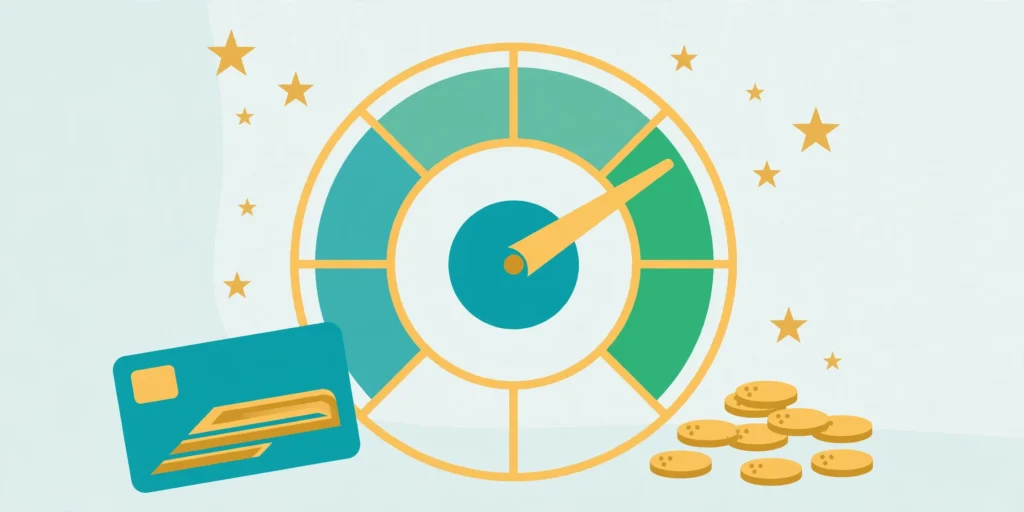
Credit scores in the US run from 300 to 850. FICO — the score most lenders use — breaks them into five buckets:
- – Exceptional (800–850): The VIP lounge. Best rates, easiest approvals, highest limits.
- – Very good (740–799): Premium territory. You qualify for nearly the best terms available.
- – Good (670–739): The national average lives here (around 715–720). Decent rates, but not the best.
- – Fair (580–669): Approvals get harder and more expensive. Subprime territory starts here.
- – Poor (300–579): Very difficult to borrow; when you can, it’s pricey.
Knowing your tier is step one — and if you’re asking what is a good credit score in 2026, the honest answer is 670 or higher, with 740+ unlocking the best rates. You can check your credit score for free without hurting it in about two minutes.
What a Good Credit Score in 2026 Gets You: Mortgages, Cars, Apartments
- Mortgages: Conventional loans generally want 620 minimum, but the pricing tiers are what matter. At 760+, you get the best conventional rates; at 700–759 you pay a bit more; below 700, the rate markup gets painful. On a $400,000 loan, the difference between a 760 score and a 680 score can easily top $200 a month — that’s $72,000 over 30 years. FHA loans go down to 580 (or 500 with a bigger down payment), but you’ll pay mortgage insurance for the privilege.
- Auto loans: Prime auto rates (the good ones) typically start around 670–690. Below 600, you’re in subprime auto territory, where dealers happily charge double-digit interest. On a $30,000 car, that’s the difference between a manageable payment and financial quicksand.
- Apartments and rentals: Most landlords look for 650+, and competitive markets often want 700+. Below that, expect demands for larger deposits or a co-signer.
- Credit cards: The best rewards cards generally want 670+, with premium travel cards favoring 740+. If your score isn’t there yet, building credit from scratch is absolutely doable — it just takes a system, not luck.
Why 740 Is the Magic Number
Across mortgages, auto loans, and credit cards, 740 keeps showing up as the line where “good” becomes “great.” It’s not the top of the scale, but it’s where lenders stop penalizing you and start competing for you. If your score is 710, grinding those last 30 points is worth more than almost any other financial move you can make — the interest savings dwarf what you’d earn clipping coupons or chasing a 0.2% better savings rate.
How to Climb Into the Next Tier
The formula isn’t mysterious — it’s just slow. Payment history is 35% of your FICO score, so autopay every bill; a single 30-day late payment can cost 60–100 points. Credit utilization is 30%: keep balances under 30% of your limits, and under 10% if you’re chasing 800. Don’t close old cards (length of history matters), don’t open three new accounts at once (hard inquiries ding you), and if high-interest debt is the anchor dragging your score down, kill the credit card debt first — the score follows the balances down… and back up.
The One Thing That Matters More Than Your Score
A great score with no savings is a house of cards. Lenders approve the loan, but life still sends the emergencies — and without a buffer, even an 800-score borrower ends up back in debt. Chase the number, absolutely. But fund the emergency account in parallel. The score gets you the cheap loan; the savings keep you from needing it.
Try It Free: The MoneyMatrixs Budget Tool
Reading is step one — doing is step two. Our free budgeting tool takes about 2 minutes: enter your income and expenses, see exactly what’s left over, and track your savings goal. No signup needed — your numbers stay private in your own browser.
Stop Reading. Start Doing.
Knowledge without action is just entertainment. The Budget Planner 2026 is a 21-page printable workbook — monthly budget sheets, debt payoff planner, savings trackers, the 52-week money challenge and more. $12, instant download, yours forever. Your future self will thank you. Use code LAUNCH20 at checkout for 20% off — launch sale ends October 19, 2026.