
Introduction
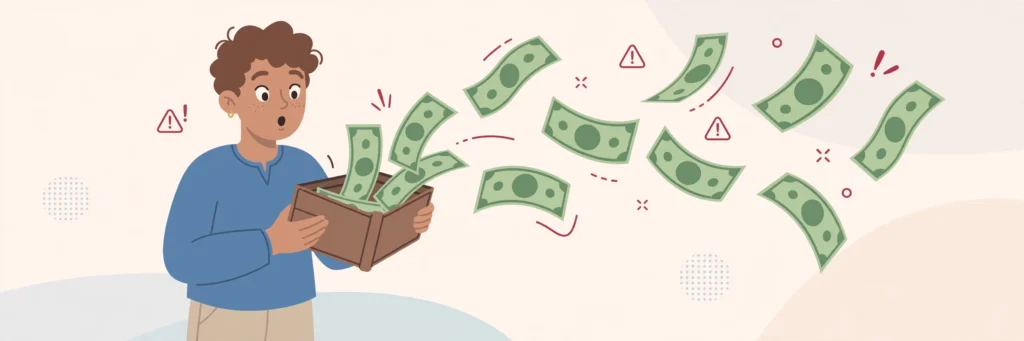
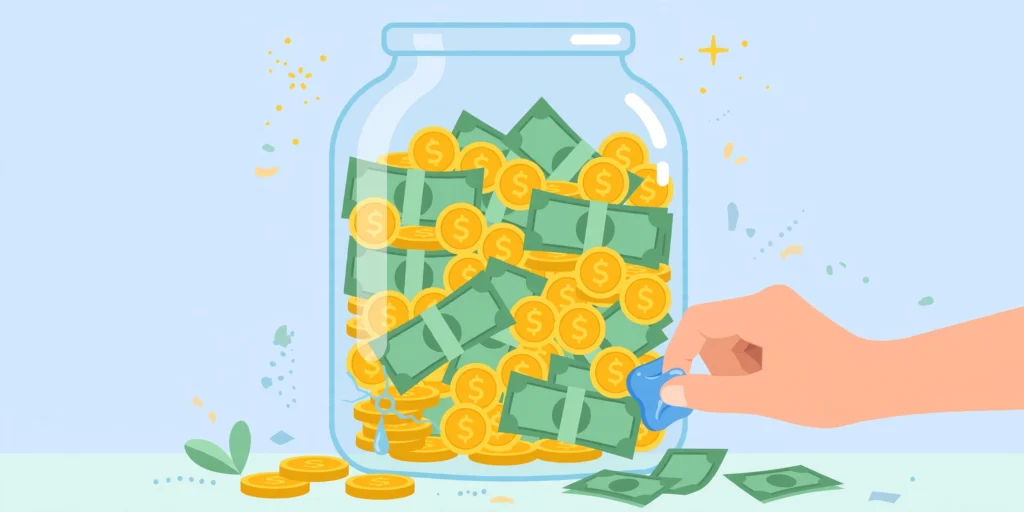
If you’ve ever wondered where your money actually goes, here’s a 30-day experiment that answers the question in a way no app ever will. A no-spend month means spending only on true essentials for a full 30 days and cutting everything else. Most people save between $300 and $700, but the real prize is the x-ray vision you get on your spending habits. Here’s how to do a no spend month successfully — the exact rules, a one-weekend prep plan, and the traps that knock most people off track.
Table of Contents
- – The Simple Rules: Essentials vs. Everything Else
- – How to Prepare in One Weekend
- – The 4 Traps That Derail People
- – What to Do With the Money You Save
- – Day 31: The Reset That Makes It Stick
The Simple Rules: Essentials vs. Everything Else
The rules of a no-spend month are dead simple, which is exactly why they work.
- Essentials (allowed):
- – Rent/mortgage, utilities, phone and internet
- – Basic groceries you cook yourself
- – Transport to work (gas, transit pass)
- – Medications and genuine health needs
- – Debt minimum payments (never skip these)
- Non-essentials (frozen for 30 days):
- – Dining out, takeout, and takeout coffee
- – New clothes, shoes, and accessories
- – Amazon impulse buys and late-night online shopping
- – Subscriptions you can pause (streaming, boxes, apps)
- – Entertainment spending — movies, concerts, events
- – Gifts, decor, hobbies, and “treat yourself” money
One honest caveat: this won’t fix a broken budget on its own — but it reveals exactly where your money was leaking, and that knowledge is worth more than the savings themselves. If your spending is already in decent shape, budgeting basics will help you lock in what the challenge teaches you.
As an Amazon Associate I earn from qualifying purchases.
Recommended tools
- The 21-Day Financial Fast — Mary Hunt’s original spending-fast program — the book version of this challenge.
- The Total Money Makeover — Dave Ramsey’s debt-killing plan, perfect for directing your no-spend savings.
How to Prepare in One Weekend
Don’t start a no-spend month on a Monday with zero preparation — that’s how you end up ordering pizza by Wednesday. Spend one weekend setting it up:
- Meal plan for 30 days. This is the single biggest money lever. Plan cheap, repeatable meals, buy pantry staples in bulk once, and give yourself two or three “easy night” meals (pasta, eggs, frozen veg) so exhaustion doesn’t drive you to takeout.
- Unsubscribe from marketing emails. Every “50% off ends tonight” email is designed to break you. Search your inbox for unsubscribe links and spend 20 minutes clearing them out.
- Delete shopping apps from your phone. Not your accounts — just the apps. Adding back friction (having to log in on a browser) kills most impulse buys before they happen.
- Tell your family or roommates. “I’m doing a no-spend month” is a sentence that buys you understanding — and accountability. People respect a clear challenge more than vague “I’m trying to save.”
- Set a savings target. Pick a number — $500 is ambitious but realistic for most people. Write it down. The money you don’t spend should be moved to savings weekly, not left in chequing where it can be “re-discovered.”
How to Do a No Spend Month Successfully: Avoiding the 4 Traps That Derail People
- Trap 1: The pre-month “stock-up” splurge. Buying $400 of “essentials” the day before you start defeats the whole purpose. Stock up only on actual staples you’d buy anyway.
- Trap 2: Social pressure. The birthday dinners, coworker lunches, a friend’s “just one drink.” A challenge you abandon entirely saves nothing. Suggest free alternatives instead: a hike, a home-cooked potluck, a library trip.
- Trap 3: The credit card loophole. Putting purchases on a credit card “because I’ll pay it off later” isn’t a no-spend month — it’s a delayed-spend month. The challenge only works if the money actually stays in your account. Consider going cash-only for groceries and using a system like cash stuffing for the month.
- Trap 4: Quitting after one slip. One slip doesn’t ruin anything. The challenge is 30 days of awareness, not 30 days of perfection. A coffee on day 12 doesn’t erase 11 good days. Reset the next morning and keep going.
What to Do With the Money You Save
Here’s the part most people skip, and it’s the part that turns a challenge into actual progress: give every saved dollar a job before the month ends.
- – High-interest debt first. If you have credit card debt, the money you freed up is earning you a guaranteed return by killing interest charges.
- – Emergency fund. No fund yet? This is your starter. Even $500 is a real buffer that stops the next surprise expense from becoming debt.
- – A sinking fund. Holidays, car insurance, back-to-school — predictable expenses you usually scramble to cover. Learn how sinking funds work and park your savings there.
Whatever you do, don’t leave it sitting in chequing. Transfer it the moment you save it.
Day 31: The Reset That Makes It Stick
On day 31, don’t sprint back to old habits. Sit down for 20 minutes and do a real review: which cuts were easy? Which felt miserable? Most people discover that two or three “essentials” were never essential — the daily takeout coffee, the subscription they forgot they had, the random Amazon orders.
The real win of a no-spend month isn’t the $500 (though that’s nice). It’s keeping 2–3 of those habits permanently. Knowing how to do a no spend month successfully isn’t about perfection — a no-spend month is a 30-day diagnostic tool, and day 31 is when you turn the diagnosis into a better budget.
Take Control of Your Money
Reading is step one — doing is step two. The Budget Planner 2026 is a 21-page printable workbook with monthly budget sheets, a debt payoff planner, savings trackers, and more. $12, instant download.